

From Split to Beijing: Inside the 7th Human Glycome Project Meeting
What do diabetes, cancer, neurological disorders and biological ageing have in common? While these areas of medicine may seem very different, they share an important connection: glycans and their increasingly recognised role in understanding human health and disease.
This connection was at the heart of the 7th Human Glycome Project Meeting, held on 12–14 November 2026 in Split, Croatia. Powered by the EU-funded SynHealth project and supported by Genos and GlycanAge, both SynHealth consortium partners and event sponsors, the meeting brought together more than 28 speakers from international research institutions to share the latest advances in glycoscience.
The gathering also marked ten years since the Human Glycome Project community first met in Dubrovnik in 2016, celebrating a decade of scientific exchange and collaboration.
From Split to Beijing: Glycoscience Across Continents
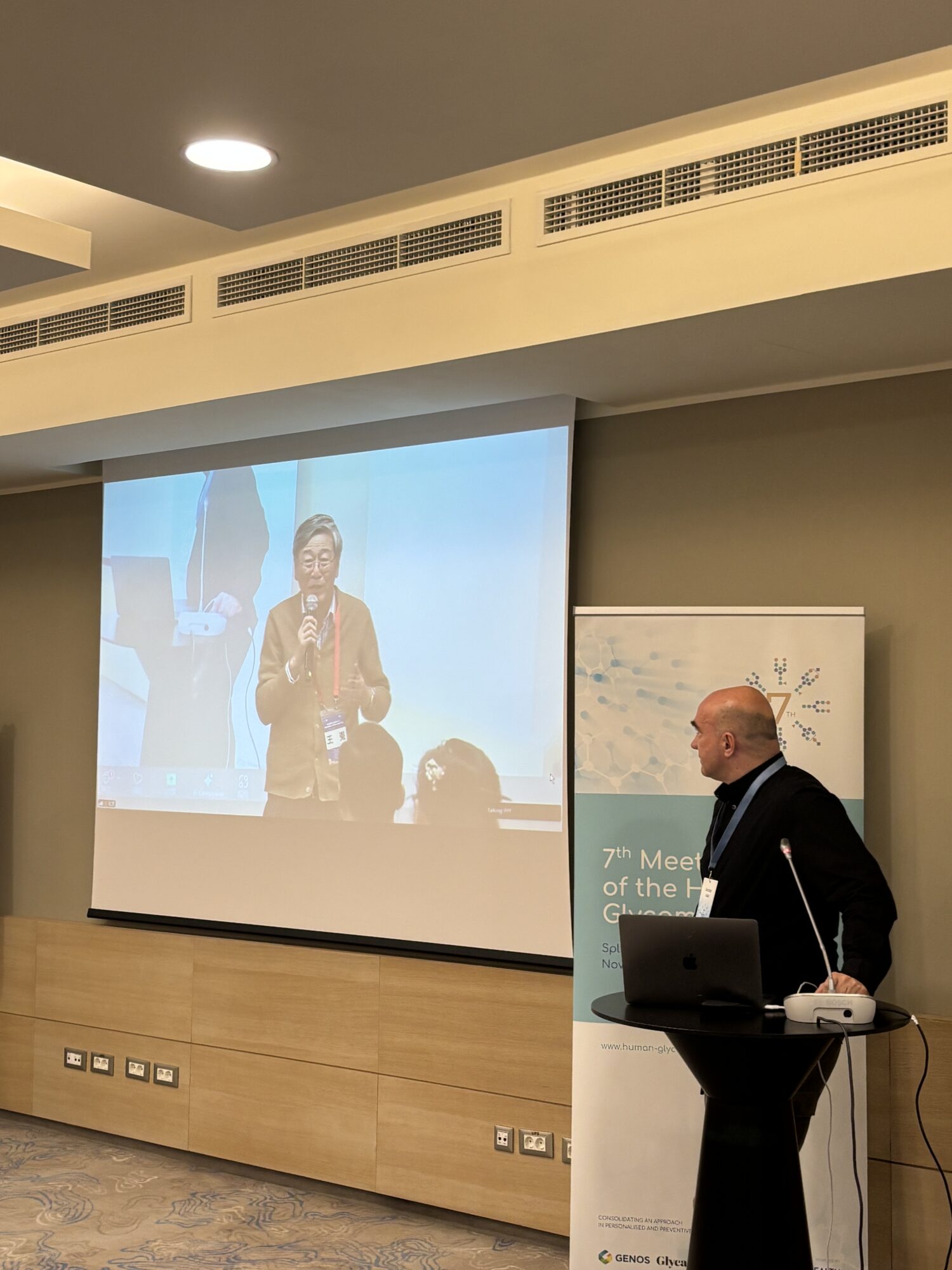
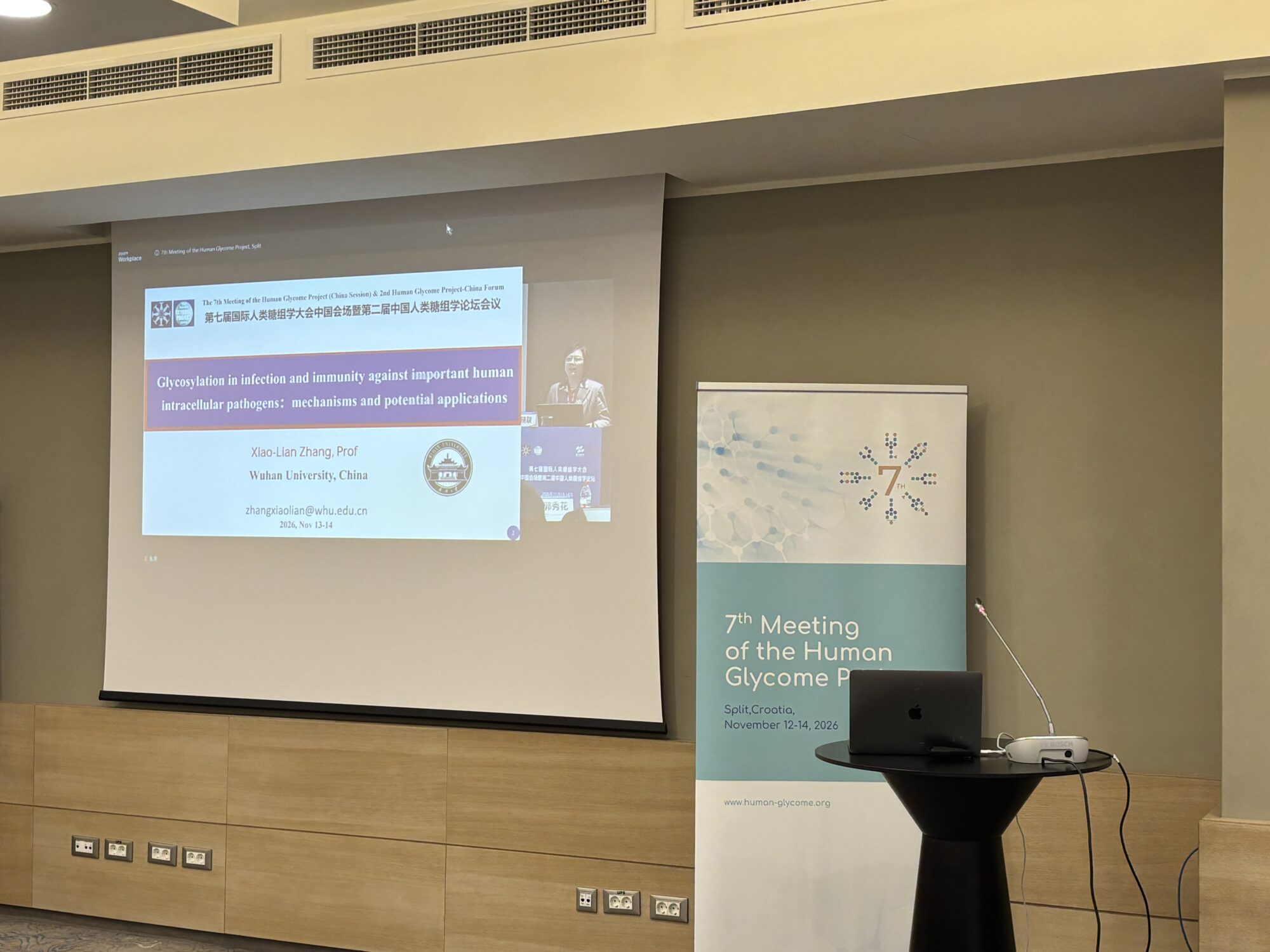
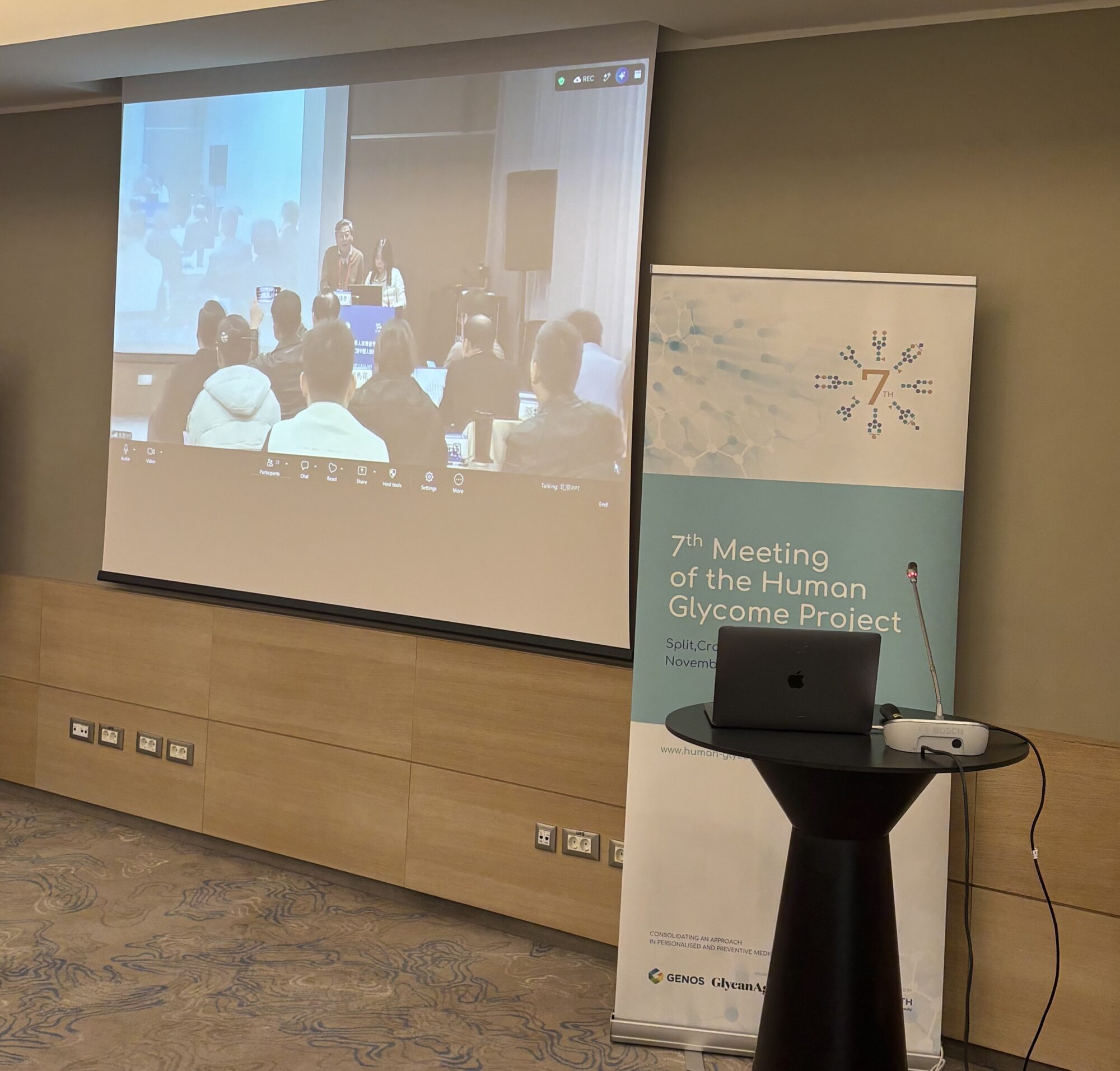
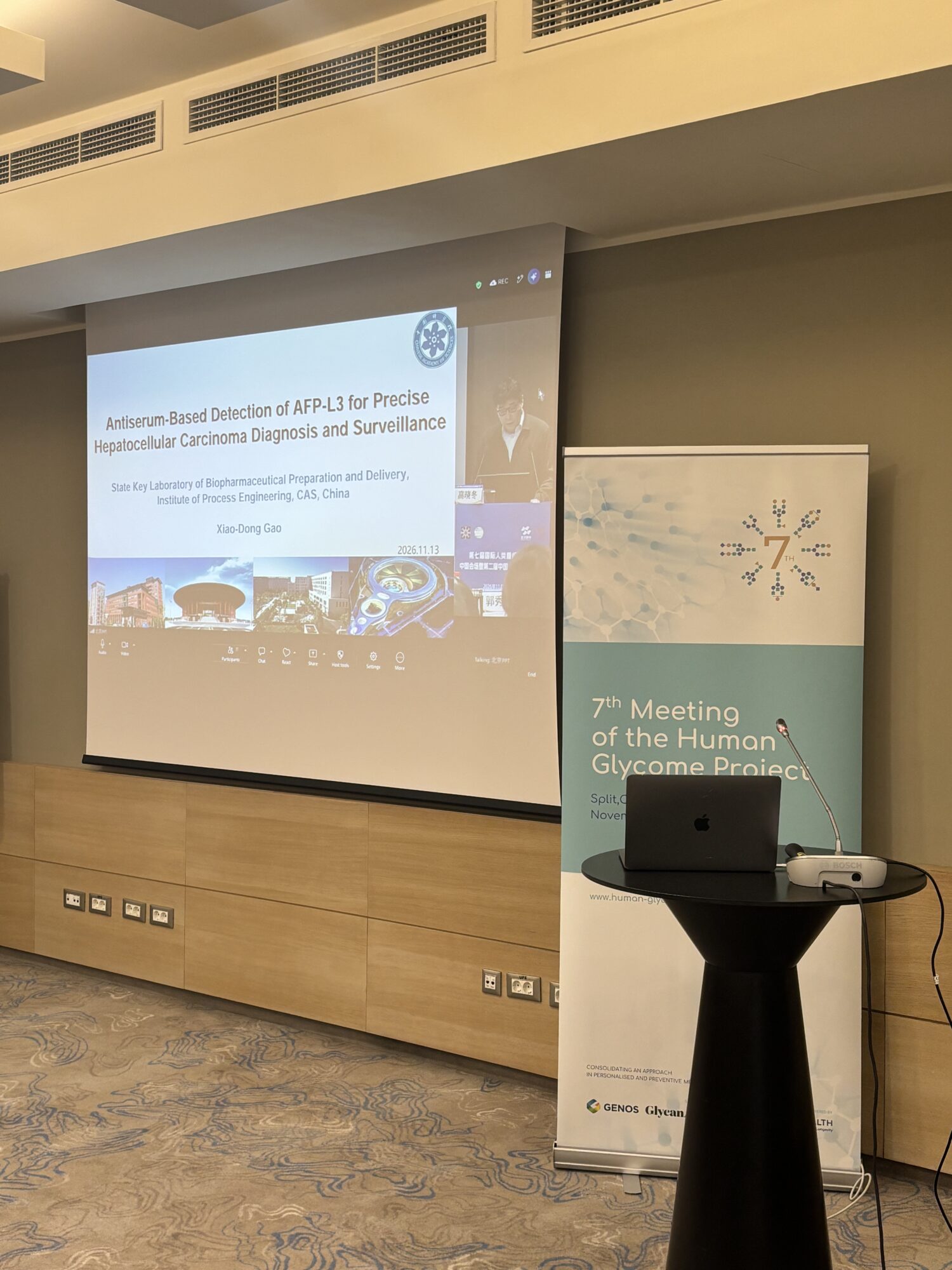
This year’s meeting marked a new chapter for the Human Glycome Project, with the first joint meeting with the glycoscience community in China. Parallel sessions in Split and Beijing connected researchers across continents despite the time-zone difference, opening new opportunities for scientific exchange and collaboration.
The programme featured contributions from researchers at Wuhan University, the Chinese Academy of Sciences, Peking University and Fudan University, covering topics from glycosylation in immunity and neurological disorders to cancer diagnostics, glycan synthesis and biomarker discovery.
From Diabetes to Diagnostics: Glycoscience in Focus
What can glycans tell us about why diseases develop, how our bodies age and how healthcare could become more personalised? These questions connected a diverse scientific programme spanning diabetes, cancer, neuroglycobiology, immunology, biological ageing and emerging applications of glycomics, with contributions from researchers representing more than 20 international universities, research institutions and organisations.
From blood sugar regulation and cancer to brain development, the Diabetes and Cancer and Neuroglycobiology sessions explored the role of glycans in human health, with contributions from Ana Cvetko (Genos), Catherine Bannon (Maynooth University) and researchers from Vilnius University, Université Paris Cité and INSERM.
The Immunology sessions connected glycans with ageing, inflammation and disease biomarkers, featuring Claudio Franceschi (University of Bologna) and Gordan Lauc (Genos). Meanwhile, the Analytics sessions explored how glycan patterns could support better diagnostics, from Manfred Wuhrer’s (Leiden University Medical Center) research on disease-related glycan signatures to Rebeka Török’s (University of Pannonia) work on AI-supported analysis for predicting chemotherapy response in lung cancer.
Finally, GlycanAge and Translational Glycomics brought the science closer to real life. Elvira Mass (University of Bonn) explored how microplastics can disrupt immune cells and contribute to metabolic disease, while Aleksandar Vojta (University of Zagreb) and Borna Rapčan (Genos) presented advances in glycan analysis. Dora Lalić (GlycanAge) showcased the GlycanAge biological age test, which analyses glycans attached to antibodies in the blood to estimate biological age based on aspects of immune ageing and inflammation.


Beyond the Research: Strengthening Regional Collaboration with SynHealth
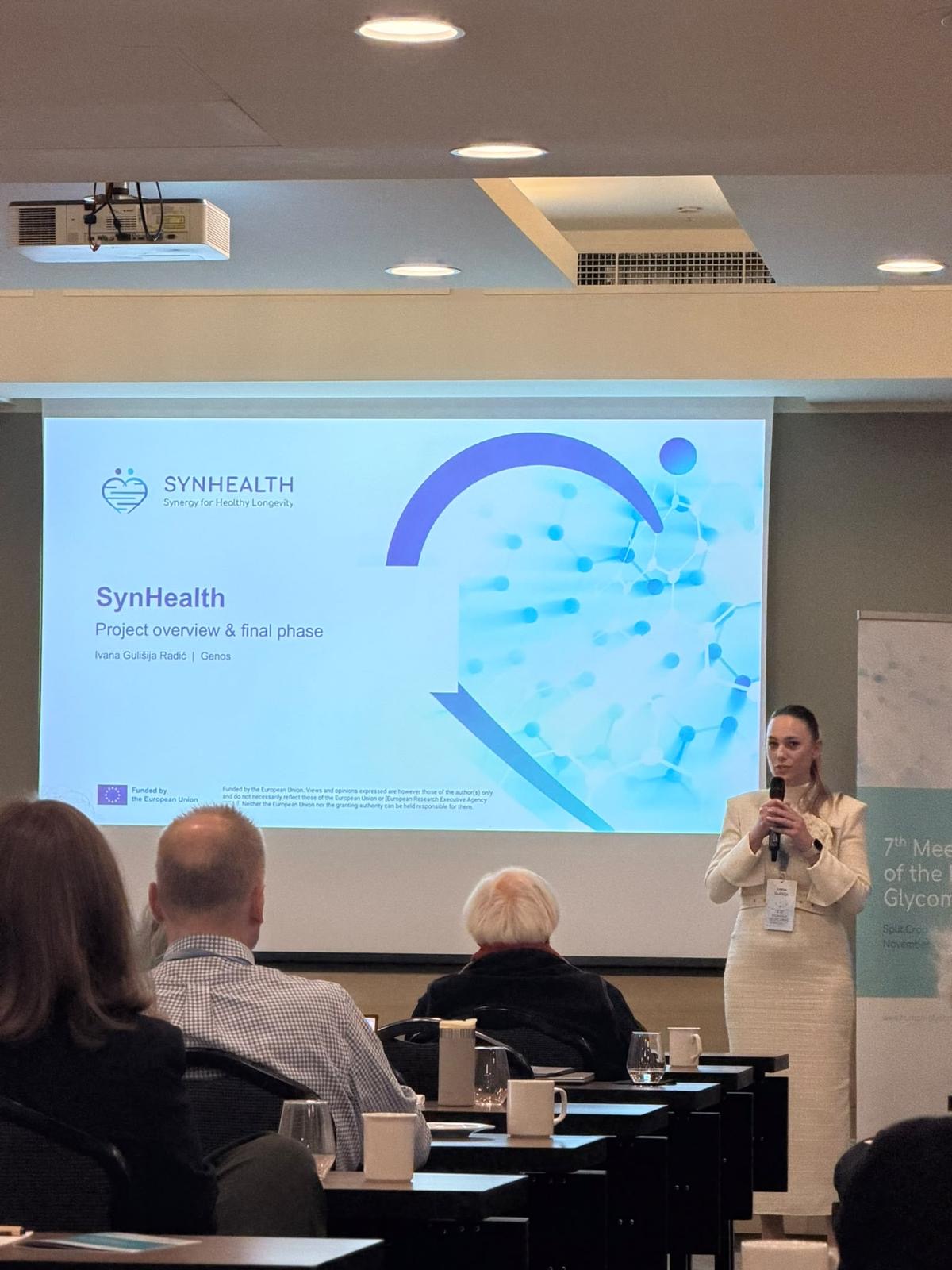
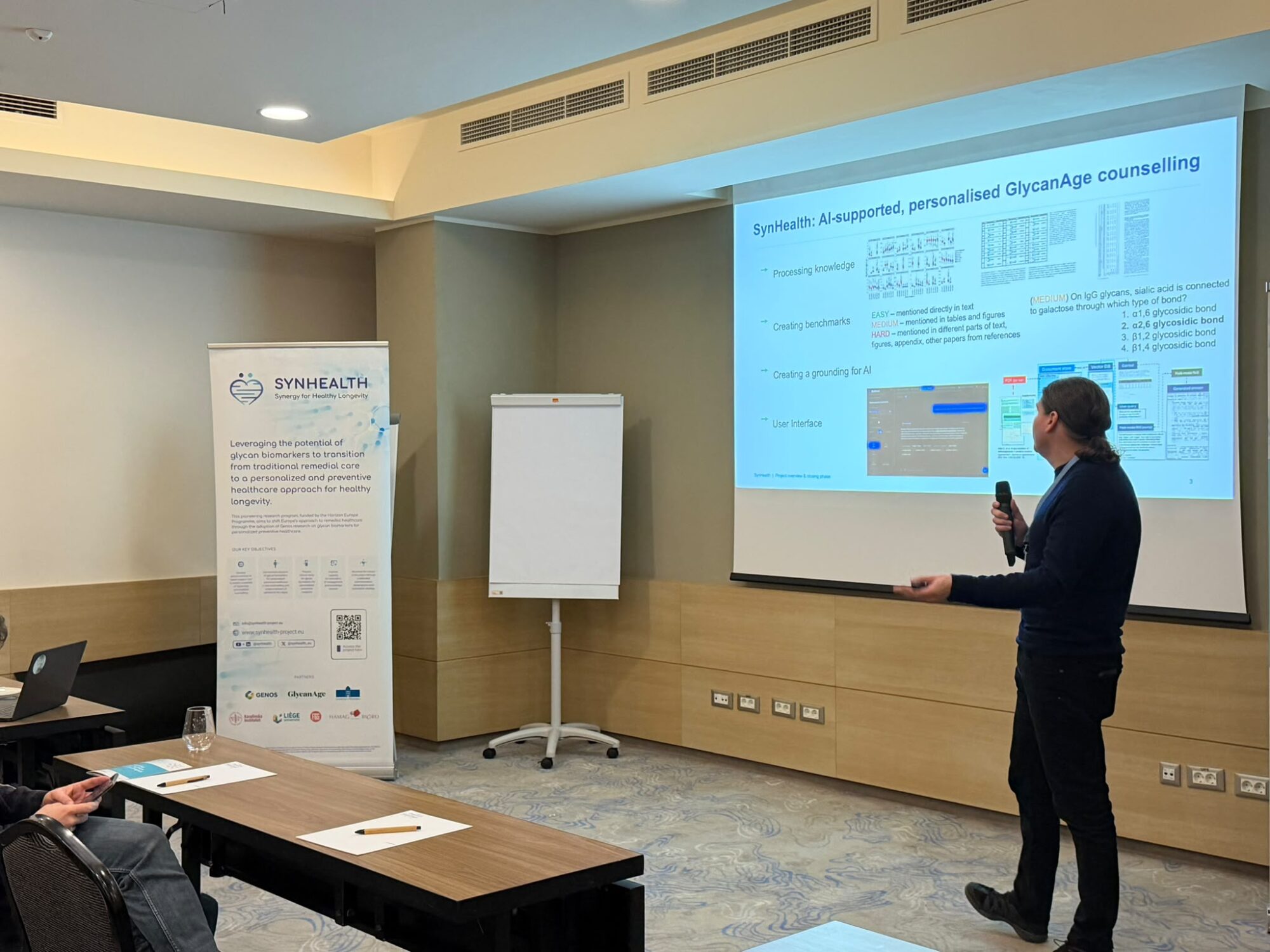
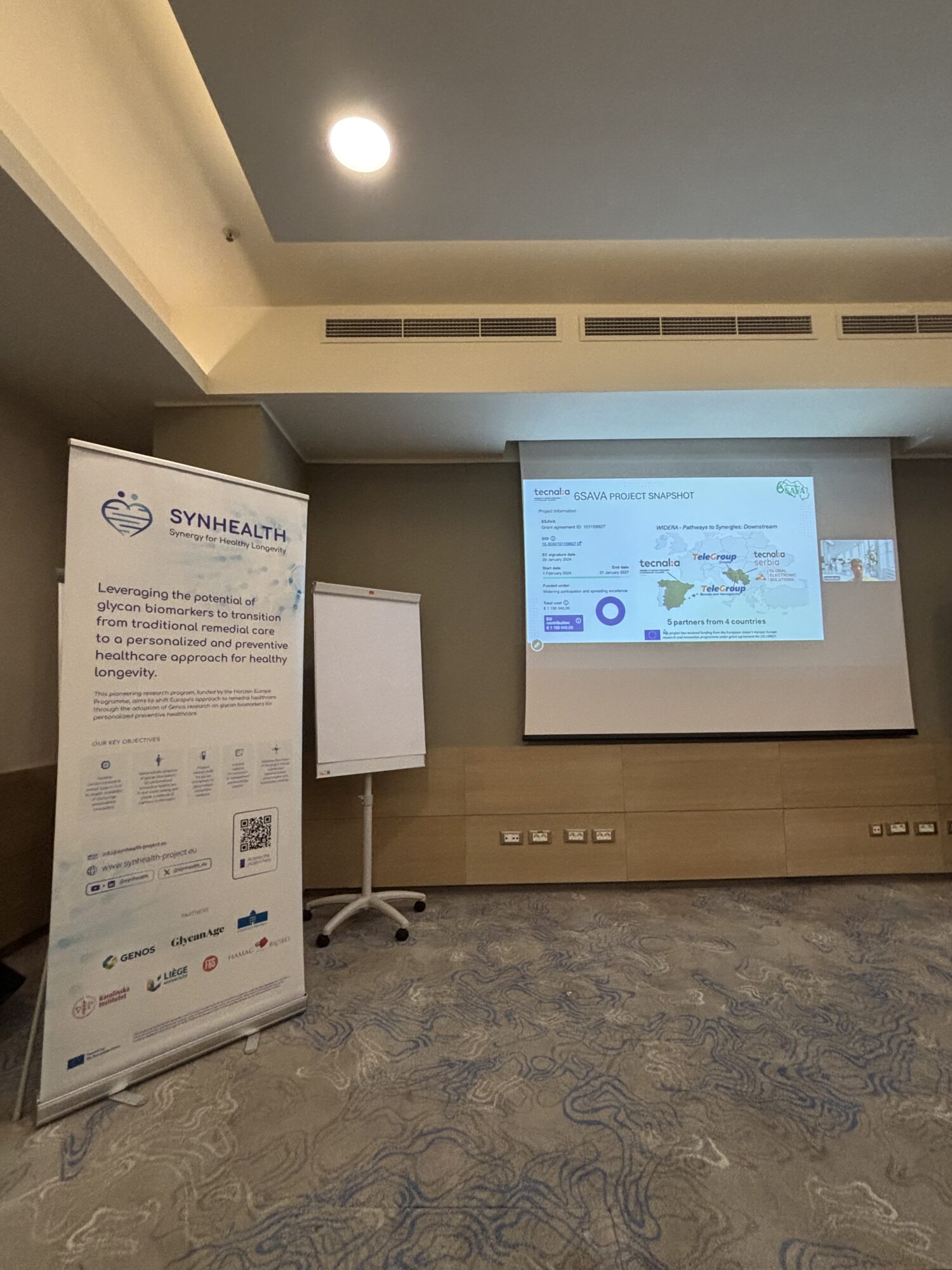
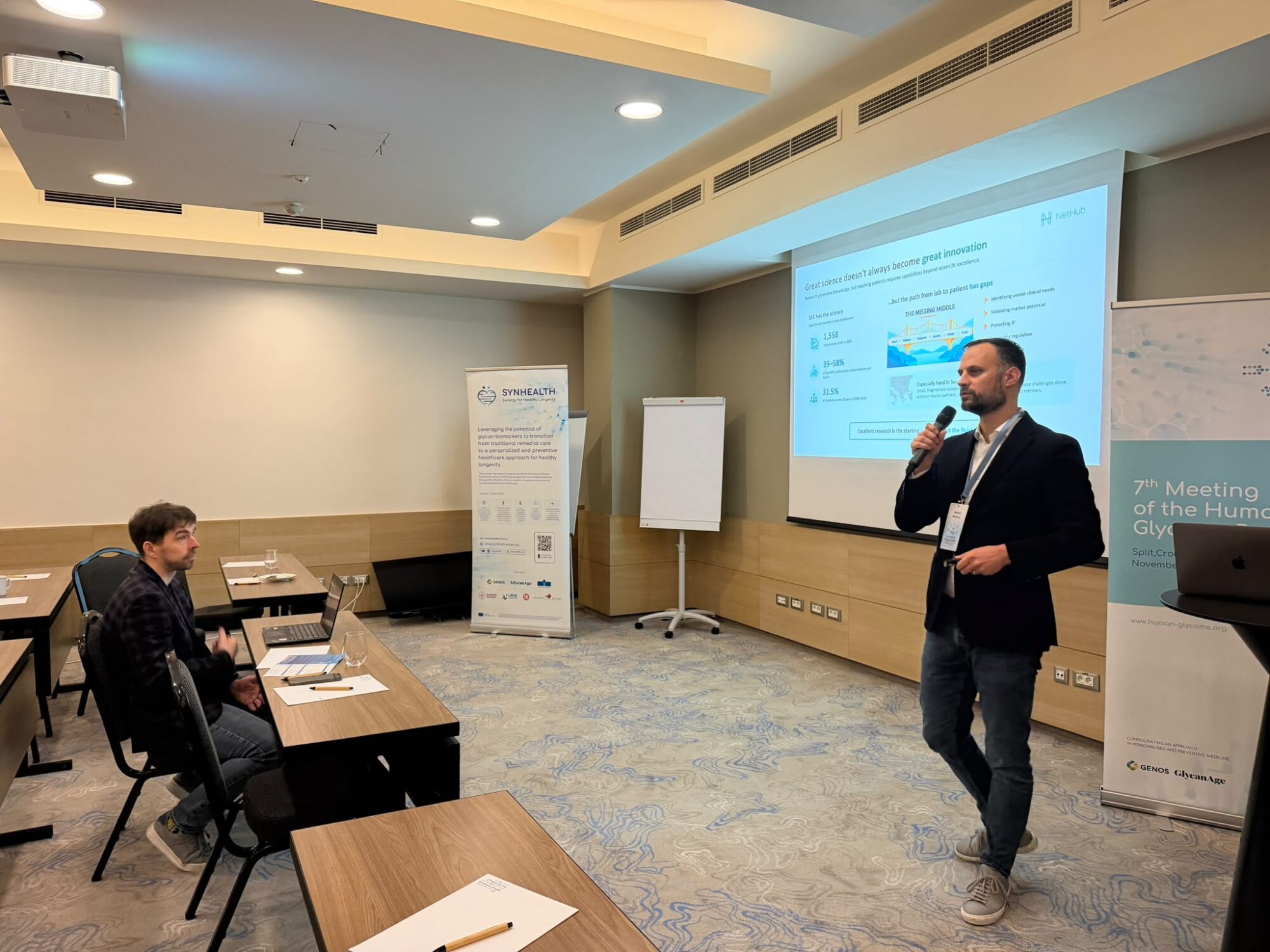
Alongside the scientific programme, SynHealth hosted its 4th Networking Workshop on 12 November, bringing together 45 participants to explore how Horizon Europe WIDERA projects and regional stakeholders can strengthen research and innovation through collaboration and knowledge exchange across the Adriatic region.
The workshop opened with an introduction to SynHealth by Ivana Gulišija (Genos) and Primož Kocbek (University of Maribor). Marko Mimica (NetHub) discussed building a connected health innovation ecosystem across Southeast Europe, while Miloš Kostić (Tecnalia Research and Innovation) introduced the sister project 6SAVA and its work on regional collaboration and market access. The session concluded with networking and discussions on potential collaborations.
And there was still one more thing on the agenda! SynHealth consortium partners gathered for the project’s General Assembly on 14 November, making the most of their time together in Split. With the project entering its final stages, partners reflected on progress and discussed priorities for the remaining months, as SynHealth continues its work to advance the use of glycan biomarkers for personalised and preventive healthcare in Croatia and Slovenia.


- Terms: #business, #lifestyle, #tech